development-costs
How Much Does It Cost to Build a Custom Web Application
Custom Web Application Development Costs Explained
Duncan
9 min read
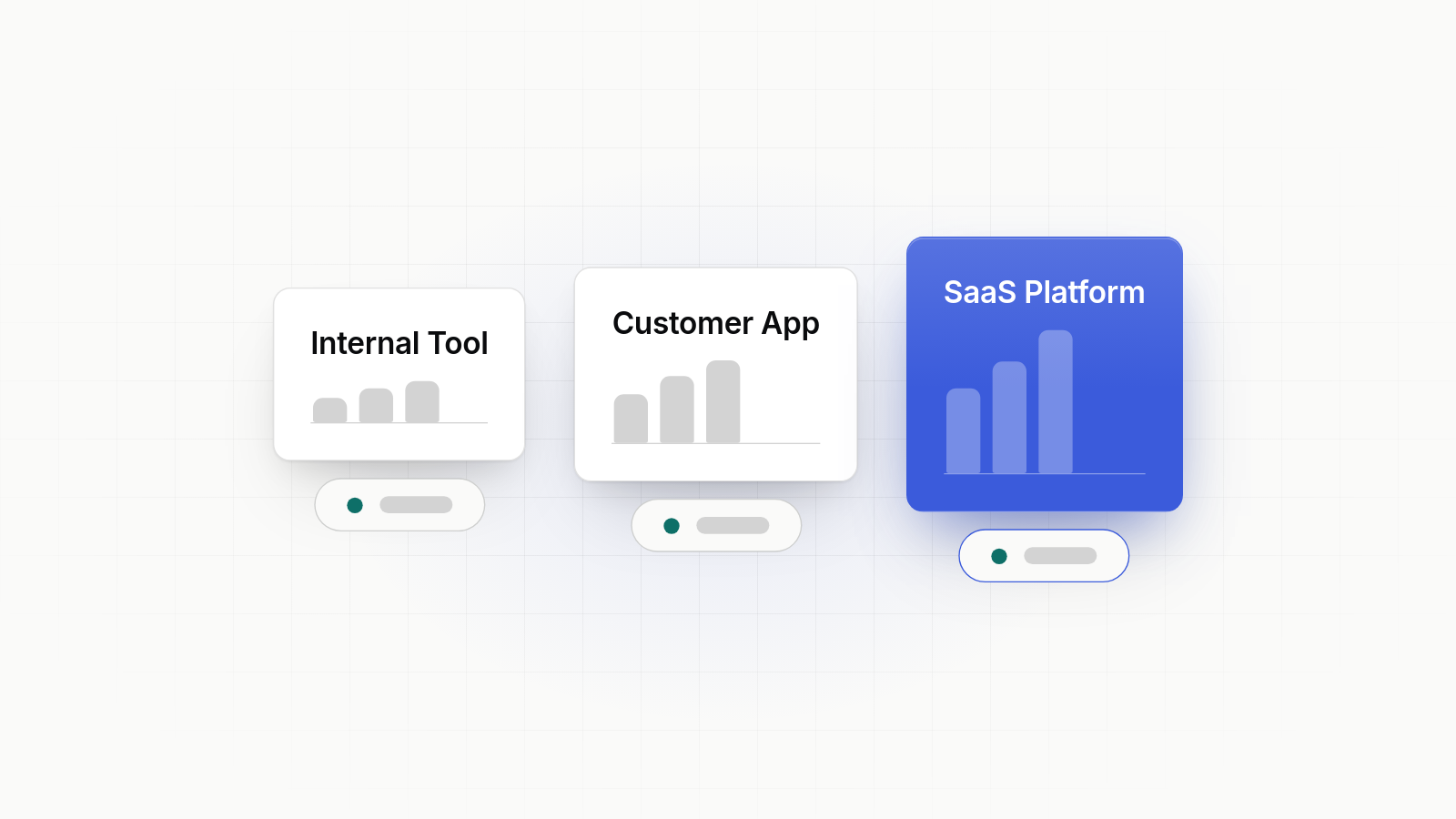
A custom web application typically costs between £10,000 and £250,000 or more, depending on what you're building. A simple internal tool sits at the low end. A multi-role SaaS-like product sits at the top. This post sets out the ranges, what moves the custom web application development cost inside them, and how agency, freelancer, and in-house costs compare, so you can check a quote you've already had. If you're earlier in the process, our guide to how to scope a software project properly is a useful starting point, and our piece on choosing between an MVP and a full build covers a related decision many founders face before cost even comes into it.
Key takeaways
- A simple internal tool typically costs £10,000 to £30,000.
- A mid-sized customer-facing app typically costs £30,000 to £90,000.
- A multi-role SaaS-like product typically costs £90,000 to £250,000+.
- Integrations, authentication, data model complexity, UI polish, and compliance are what move the price within these ranges.
- Agencies, freelancers, and in-house teams all price differently, and each has trade-offs worth knowing before you commit.
What a custom web application actually costs, by project type
Cost depends mainly on how many roles, workflows, and integrations the application needs. Here are three common project shapes, with realistic ranges for each.
Simple internal tool
A simple internal tool does one job for one team: a booking system for meeting rooms, a stock tracker, or a form that feeds a spreadsheet into something more useful.
Typical cost: £10,000 to £30,000.
At this level you get one or two user roles, a handful of screens, basic authentication, and little or no integration with other systems. Build time is usually six to ten weeks.
Mid-sized customer-facing app
A customer-facing app is used by people outside your organisation, which raises the bar on design, reliability, and security. A client portal, a booking platform, or a self-service account area are typical examples.
Typical cost: £30,000 to £90,000.
This tier usually includes a proper design pass, a few integrations (payments, email, a CRM), multiple user roles with different permissions, and more thorough testing. Build time runs three to six months.
Multi-role SaaS-like product
A SaaS-like product serves several types of user, often across several organisations, each with its own data and permissions. This is the territory of platforms you'd sell as a subscription. If you're weighing up whether your idea needs this level of build, our post on validating a SaaS idea before you build it is worth reading first.
Typical cost: £90,000 to £250,000 or more.
Expect multi-tenant data architecture, five or more integrations, admin tooling, usage reporting, and often some compliance requirement. Build time is six months to a year or longer, and costs can run well past £250,000 for genuinely large platforms.
| Project type | Typical cost | Typical build time |
|---|---|---|
| Simple internal tool | £10,000 – £30,000 | 6–10 weeks |
| Mid-sized customer-facing app | £30,000 – £90,000 | 3–6 months |
| Multi-role SaaS-like product | £90,000 – £250,000+ | 6–12+ months |
These ranges are wide because "web application" covers a lot of ground. The factors below explain why two projects that sound similar can land at very different prices.
What actually moves the price
The final price comes less from the project's category and more from five specific factors: integrations, authentication, data model complexity, UI polish, and compliance.
Integrations
Every third-party system you connect to adds cost. A single well-documented API, like Stripe for payments, is usually straightforward. A CRM, an accounting package, or a legacy system with patchy documentation can take far longer than it looks, because you're often working around someone else's assumptions rather than your own.
Authentication
Authentication sounds simple until you need more than a login form. Single sign-on, multi-factor authentication, role-based permissions, and "log in as this customer's organisation" all add real engineering time. A basic email-and-password setup is cheap. Enterprise-grade access control is not.
Data model complexity
The shape of your data drives the shape of the build. A tool with one main record type (a booking, an order, a ticket) is simple to model. A platform where several record types relate to each other differently depending on the user's role or organisation takes much longer to design and test properly. This is often the least visible cost driver, because it doesn't show up on a screen. It shows up in how well the software holds together six months later.
UI polish
How much design work a screen needs depends on who sees it and how often. Internal tools used by five staff can get away with plain, functional screens. A product your customers use daily needs a level of design and interaction polish that takes real time to get right, and it's one of the areas most often underestimated in a quote.
Compliance
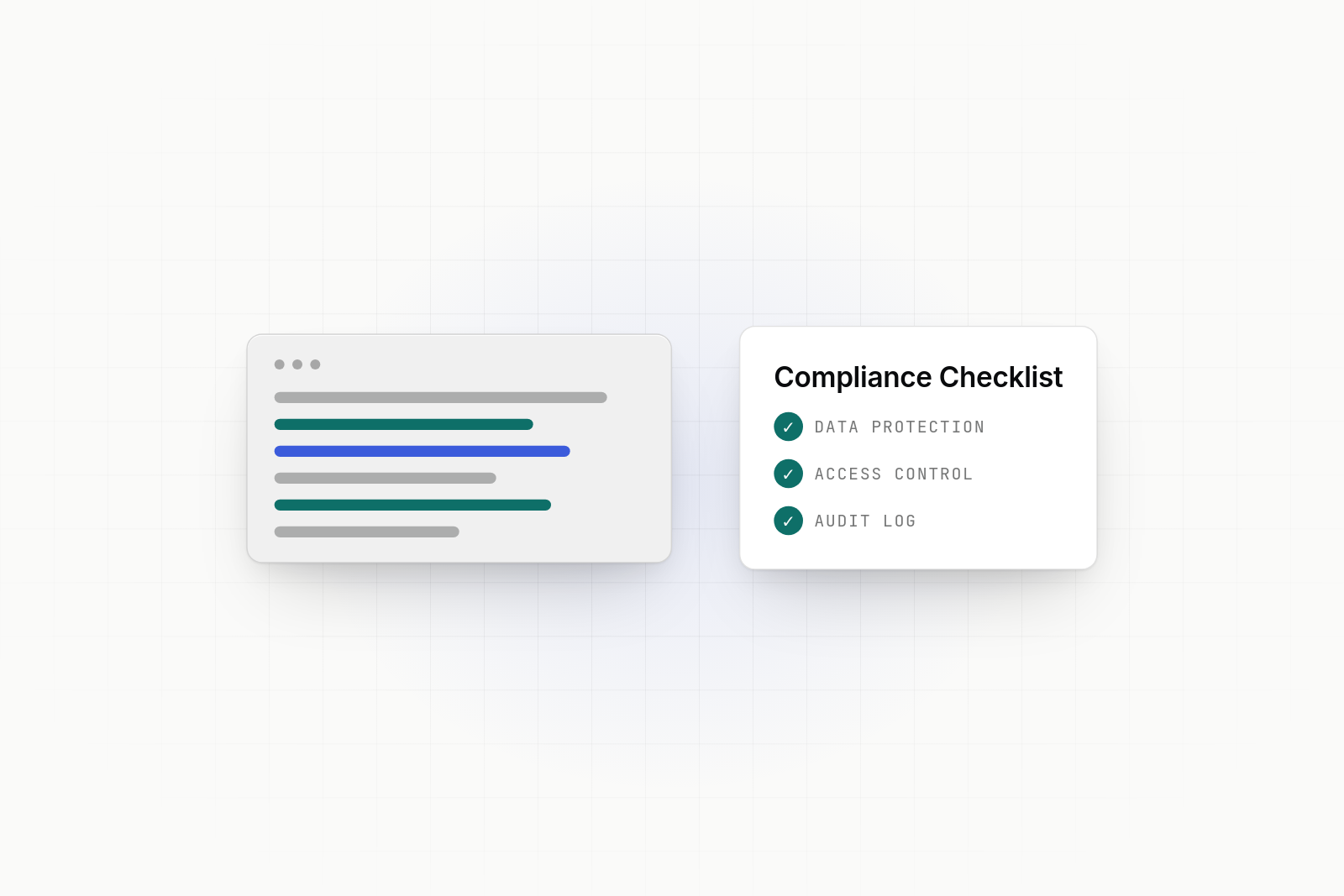
Compliance requirements (data protection rules, accessibility standards, sector-specific regulation like healthcare or finance) add cost in testing, documentation, and sometimes architecture. This is rarely optional once it applies, so it's worth raising early rather than discovering it halfway through a build.
Agency vs freelancer vs in-house vs Bespoke
Who builds your application changes the price, the risk, and what you're left with afterwards. Here's how the main options for custom web application development services compare. For a deeper look at this decision, see our post on choosing between an agency, a freelancer, and an in-house team.
| Option | Typical cost | What you tend to get | Main risk |
|---|---|---|---|
| Agency | Higher day rates, often £600–£1,200/day per senior developer | Process, project management, multiple specialists | Overhead passed on in price; can be slow to change course |
| Freelancer | Lower day rates, often £300–£600/day | Direct access to the person building it, flexibility | Single point of failure if they're unavailable or move on |
| In-house team | Salary plus overhead, often £60,000–£100,000+ per developer per year | Long-term ownership, deep product knowledge | Slow to build from scratch; hard to scale up or down quickly |
| Bespoke | Fixed-scope quotes matched to the project types above | A small, senior team building software designed to stay fast and cheap to change as you grow | We don't do cut-price MVPs with no plan for what comes after, and we don't do open-ended retainers with no fixed scope |
Agencies tend to charge more because you're paying for account management, multiple layers of staff, and process on top of the development itself. That can be worth it for large, complex builds. For a simple internal tool, it's often more than the project needs.
Freelancers are usually cheaper per day, but you're buying one person's time and availability. If they get ill, get busy, or move on, the project stalls. There's also no one else checking their work.
In-house teams make sense once you have enough ongoing work to keep them busy. Hiring and building a team from nothing for a single project is slow and expensive, and you carry the cost whether or not there's work that week.
Bespoke sits closer to a small, senior freelance team than a large agency, but with a fixed scope and price agreed up front, matched against the project types above rather than billed by the hour with no ceiling. If you're comparing custom web application development companies, ask each one which of these models they actually follow.
Sanity-checking a quote you've already received
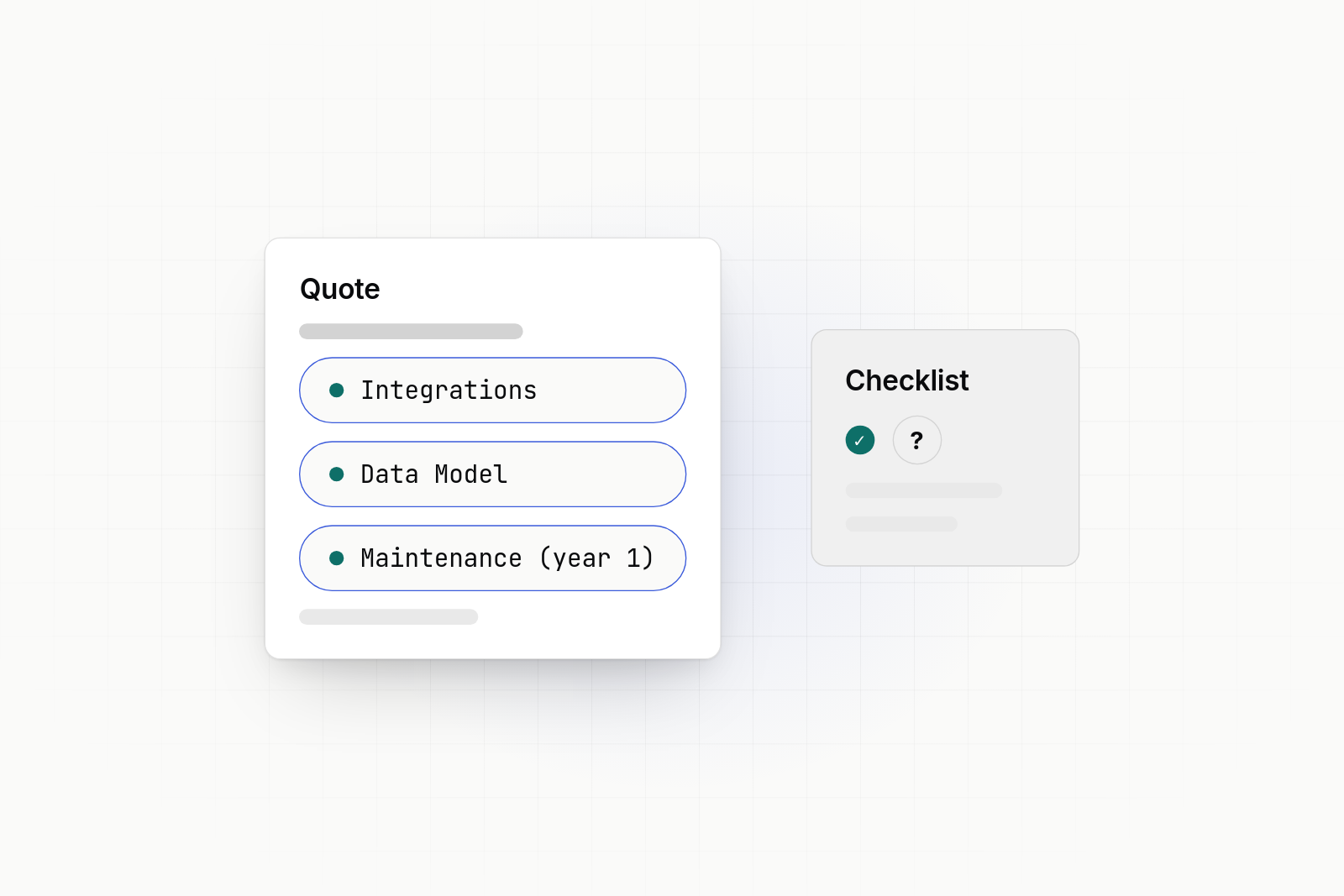
Check a quote against three things: which project type it matches, which cost drivers it accounts for, and what's excluded.
Start with the project type table above. If your quote is for a mid-sized customer-facing app but the number looks like the SaaS-like range, ask why. It might be justified (maybe your data model is more complex than it looks), or it might be padding.
Then check the five cost drivers. A good quote should tell you, specifically, which integrations are included, what level of authentication is planned, how complex the data model is, how much design work is scoped, and whether compliance work is included or excluded. If a quote doesn't mention these, it's probably been priced on a rough guess rather than the actual shape of your project.
Finally, check what's excluded. Hosting, ongoing maintenance, and support are often not included in a build quote. As a rough guide, budget 15–20% of the build cost per year for maintenance once it's live, on top of hosting and any third-party subscription costs. Our post on what software maintenance actually costs goes into more detail on this if it's not already covered in your quote.
FAQs
How much does it cost to build a web application?
Most custom web applications cost between £10,000 and £250,000, depending on complexity. A simple internal tool sits at the low end. A multi-role SaaS-like product with several integrations and compliance requirements sits at the top. The specific number depends on the five factors above: integrations, authentication, data model complexity, UI polish, and compliance.
How much does it cost to develop a custom website?
A custom website and a custom web application are different things, and they're priced differently. A website (pages of content, maybe a contact form) typically costs a few thousand pounds. A web application (software with user accounts, data, and logic) starts at £10,000 and goes up from there, for the reasons set out in this post.
Is $1,500 a good price for a website?
For a simple content website, £1,500 (or the equivalent in dollars) can be reasonable, particularly if it's built on a template with light customisation. It isn't a realistic price for a custom web application. Anything with user accounts, a database, and custom logic needs considerably more time than a basic website build allows for.
What is custom web application development?
Custom web application development is designing and building software that runs in a browser and is shaped around one business's specific workflows, rather than adapted from an off-the-shelf tool. Choosing to build a custom web application involves a data model built for that business, authentication and permissions suited to its users, and integrations with the other systems it already relies on.
Can you build a web app for free?
You can build something for free using no-code tools or open-source templates, and for a very small, simple need that might be enough. Once you need a specific data model, proper authentication, integrations with other systems, or software that needs to keep working reliably as your business grows, free tools tend to run out of road quickly, and the cost shows up later as time spent working around their limits.
Get in touch
If you've got a number from somewhere else and want a second opinion, or you're at the stage of scoping a project properly, get in touch. We'll talk through what you're trying to build and give you a straight answer on what it should cost.