Development costs9 min read
Is Custom Software Development Worth It for a Small Business
Is Custom Software Development Worth It for a Small Business?
By Duncan
Key takeaways
Custom software is worth it when manual workarounds, duplicate data entry, or workflows that don't fit any off-the-shelf tool are costing real time every week.
It's rarely worth it for standard tasks like accounting, email, or basic CRM, where mature off-the-shelf tools already do the job well.
Custom doesn't have to mean a six-figure enterprise build. A simple internal tool can start at £10,000 to £30,000.
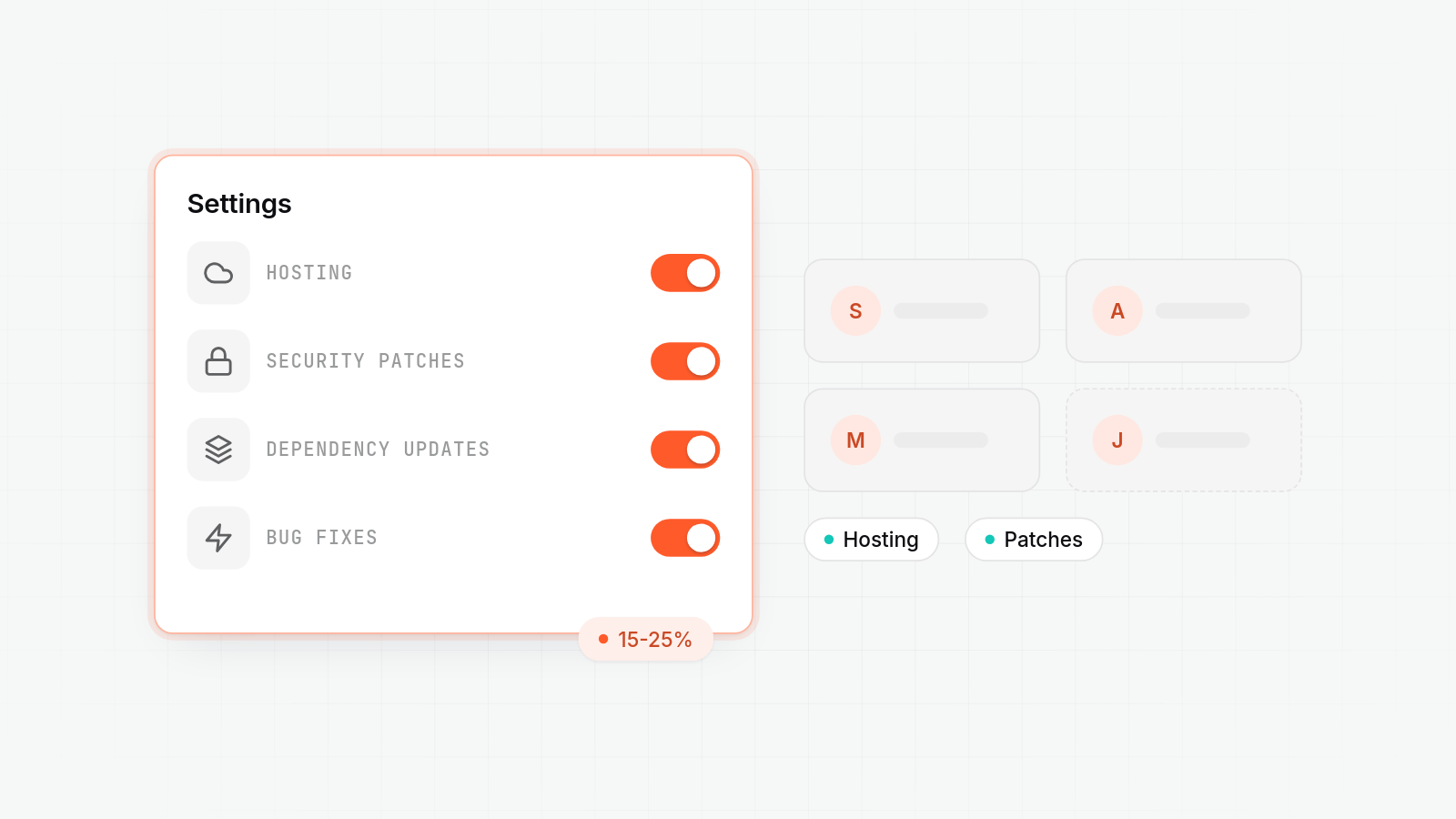
Factor in ongoing cost, not just the build. Budget 15% to 25% of the build cost per year to keep it running.
If you're not sure, start by counting how many hours a week your team spends on workarounds, not by speaking to a developer.
Most business owners ask this question at the wrong moment: a spreadsheet has just broken, or someone's spent half a day re-entering the same data twice. Custom software development is worth it for a small business sometimes, and it depends on whether the problem is a one-off or something that repeats every week. Here are the signals that tell you which one you've got.
Is custom software worth it for a small business?
Custom software is worth it when you have a stable, valuable workflow that doesn't fit any generic tool without constant manual effort. It's not worth it when a ready-made product already does the job, even if it's not perfect. The test isn't whether custom software would help, most things would help a little. The test is whether the pain is big enough and persistent enough to justify building something around it, given your business's current size and how much off-the-shelf tools are already costing you in time and errors.
Signs you need custom software
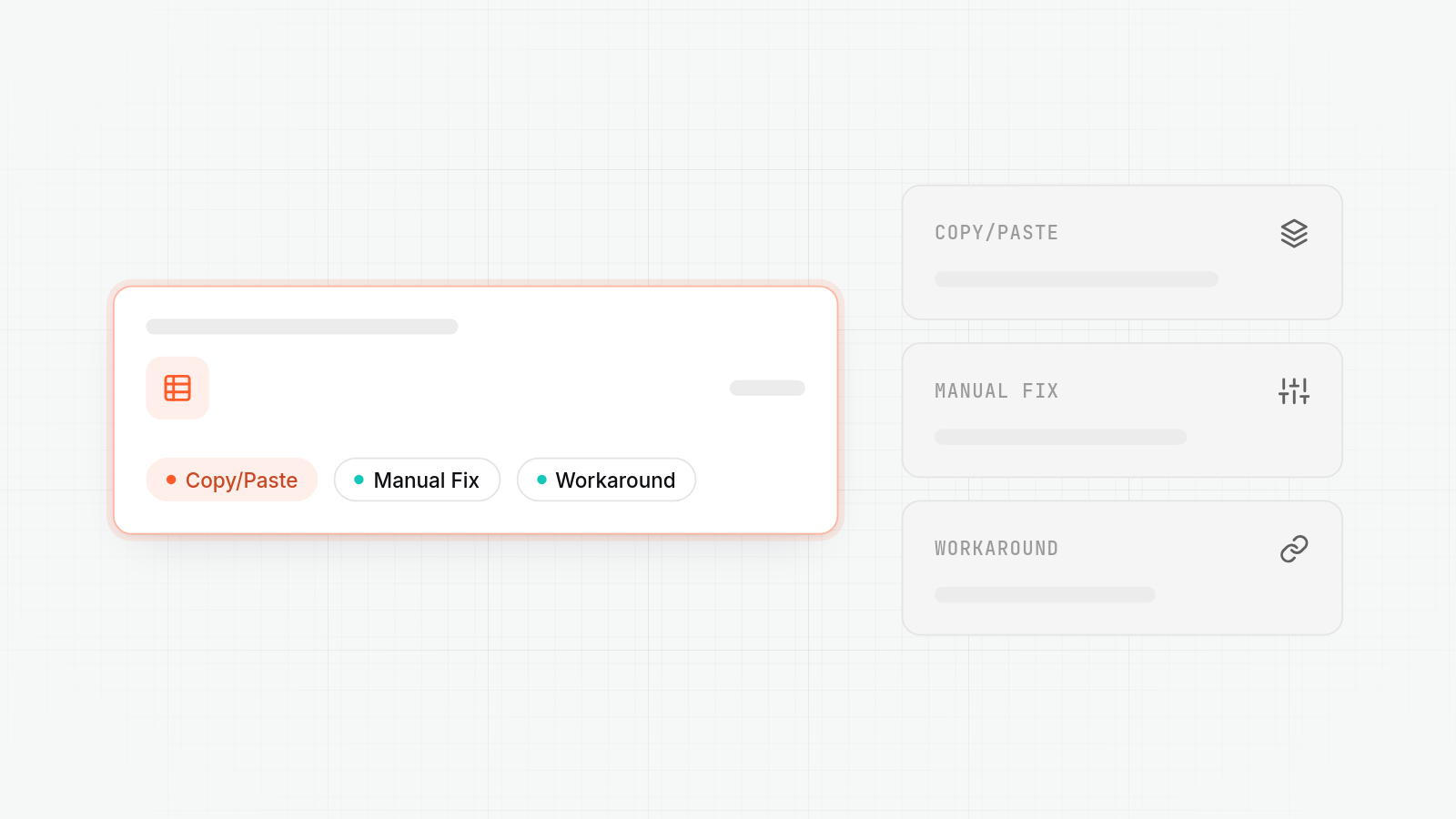
The clearest sign you need custom software is a manual workaround that repeats every week and nobody's managed to remove. That's not a training problem. It means the tool doesn't fit the job.
Staff copy data between systems
If someone's job involves taking information out of one system and typing it into another on a regular basis, that's wasted time with no upside, and it introduces errors a connected system wouldn't make. A one-off instance might be worth living with. A daily or weekly routine usually isn't.
Spreadsheets have become systems
A spreadsheet that started as a simple list can end up running stock levels, job tracking, and reporting all at once. It works until a formula breaks, two people edit it at the same time, or the one person who understands it is off sick. At that point it's an unsupported piece of software with no one responsible for it.
Workflows don't fit any off-the-shelf product
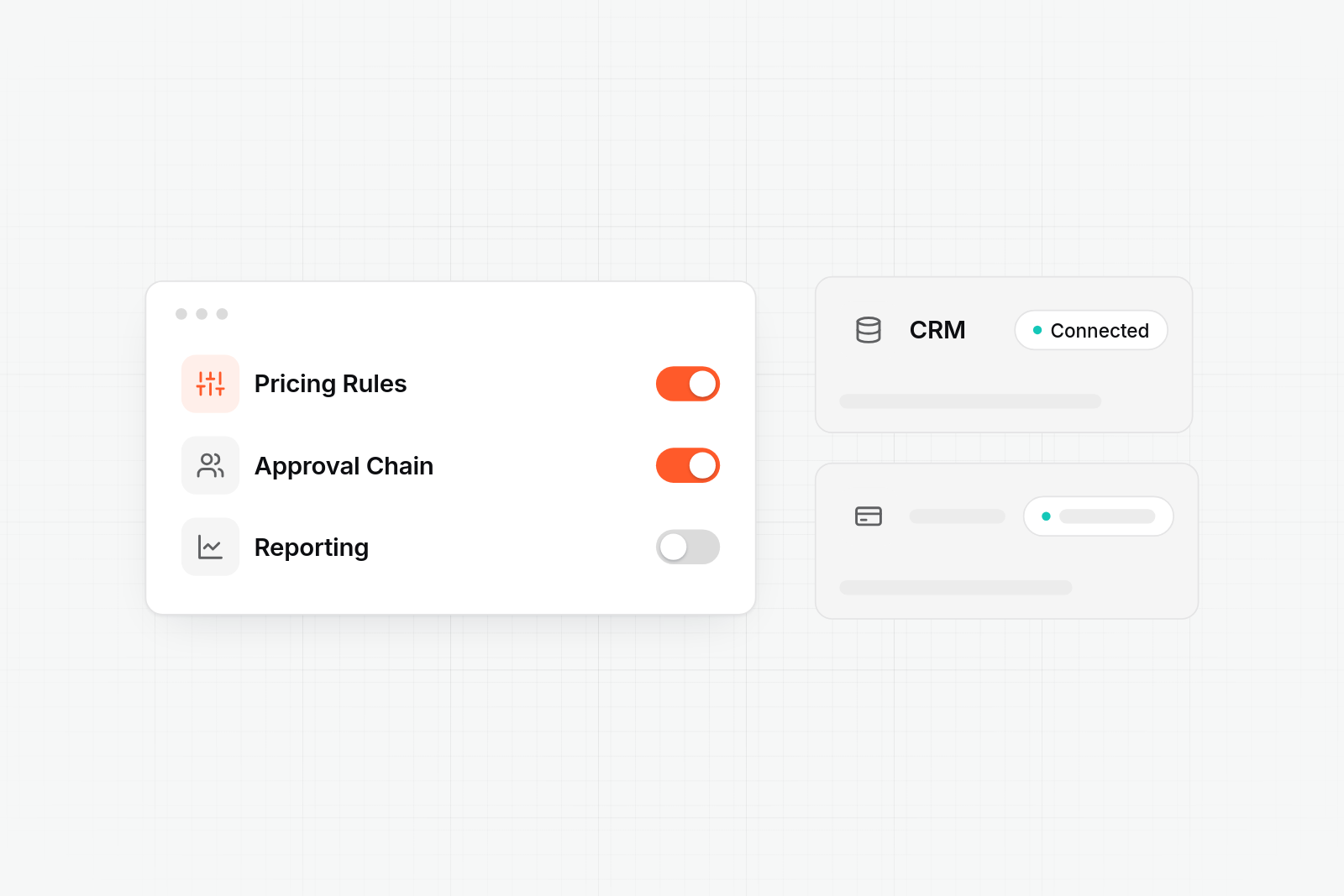
Some businesses have a genuinely unusual process: a pricing structure, an approval chain, or a scheduling rule that doesn't map onto any standard CRM or booking tool. When that happens, off-the-shelf software forces you to bend your process to fit it, or bolt on exceptions everywhere. If that's happening across most of your workflow, not just one edge case, it's a real signal.
Growth outpaces off-the-shelf pricing
Some tools charge per user, per record, or per transaction. Fine at small volume, but the price can rise faster than the value you're getting as you grow. If your monthly software bill is climbing steeply just because you're doing more of the same thing you always did, weigh that against what a custom alternative would cost to build.
Reports are assembled by hand
If someone spends hours each month exporting data from two or three places, pasting it together, and checking it before anyone can answer "how are we doing", the systems involved don't talk to each other. A custom tool, even a small one, can often remove that task entirely.
Custom software vs off the shelf
Off-the-shelf software is usually the right starting point, and custom only earns its keep once the ready-made option is clearly costing you more than it saves. Off-the-shelf tools are quick to set up, cheap at small scale, and maintained by someone else. Custom software is slower and more expensive to start, but it fits your actual workflow, and the ongoing cost is yours to control rather than set by someone else's pricing page.
| Off-the-shelf software | Custom software | AppBespoke | |
|---|---|---|---|
| Upfront cost | Low, usually a subscription | Higher, from roughly £10,000 | Fixed-scope quote agreed up front |
| Time to start using | Days | Weeks to months | Weeks to months, matched to project size |
| Fits your exact workflow | Only if your workflow is fairly standard | Built around your actual process | Built around your actual process |
| Ongoing cost as you grow | Can rise sharply with users or volume | Depends on hosting and maintenance, usually more predictable | 15% to 25% of build cost per year, agreed in advance |
| Who maintains it | The vendor | You, or whoever you hire | AppBespoke, for applications it's built or reviewed |
| Best fit | Standard tasks: accounting, email, basic CRM | Workflows generic tools can't handle without constant workarounds | Businesses wanting a lean build that stays cheap to change, not an open-ended enterprise project |
AppBespoke doesn't build large enterprise systems with six-figure price tags as a starting point, and doesn't offer open-ended retainers with no ceiling. It builds custom web applications sized to the problem, with a fixed scope agreed before work starts.
When to build custom software (and when not to)
Build custom software when the workarounds are costing more, in time and errors, than a modest custom build would cost to make and run. Don't build when a mature, cheap tool already does the job, or when your process is still changing so much that building something fixed would lock in assumptions you're about to abandon anyway.
When custom makes sense
- A workflow that's stable and central to how you make money, not a side task.
- Manual workarounds that happen weekly, not occasionally.
- Growth that off-the-shelf pricing handles badly, charging more per user or per record as you scale.
- A process specific enough that no standard product fits it without heavy compromise.
When off-the-shelf is still the smarter choice
- The task is a commodity one: accounting, payroll, email, file storage. Mature tools already solve these well.
- Your workflow is still changing fast. Building something fixed too early freezes assumptions you haven't tested yet.
- The problem is temporary, like a short campaign or a one-off backlog, where a quick manual fix is cheaper than building anything.
- The value at stake doesn't cover the ongoing cost of owning and maintaining a custom system.
Custom software for small business doesn't mean enterprise cost
Custom software for a small business doesn't have to mean the six-figure builds enterprises commission. A single internal tool solving one specific problem typically costs £10,000 to £30,000 and takes six to ten weeks to build, covered in more detail in our guide to custom web application costs. That's well within reach for a business that's outgrown a spreadsheet but isn't trying to build a platform.
The idea that "custom" means "expensive and slow" comes from enterprise projects: multi-role systems with several integrations, admin tooling, and compliance requirements, which can run £90,000 to £250,000 or more. Most small businesses asking this question don't need that. They need one workflow automated properly, which is a much smaller job.
The other cost people forget is what happens after launch. Custom software isn't a one-off purchase. Budget 15% to 25% of the build cost per year to keep it running: hosting, security patches, dependency updates, bug fixes, and a reasonable amount of small feature work. We break this down fully in our post on what it costs to maintain a custom web application each year. For a £20,000 build, that's roughly £3,000 to £5,000 a year. Leave that out of the comparison and custom software looks cheaper than it actually is against a subscription tool.
What is the average cost of custom software development?
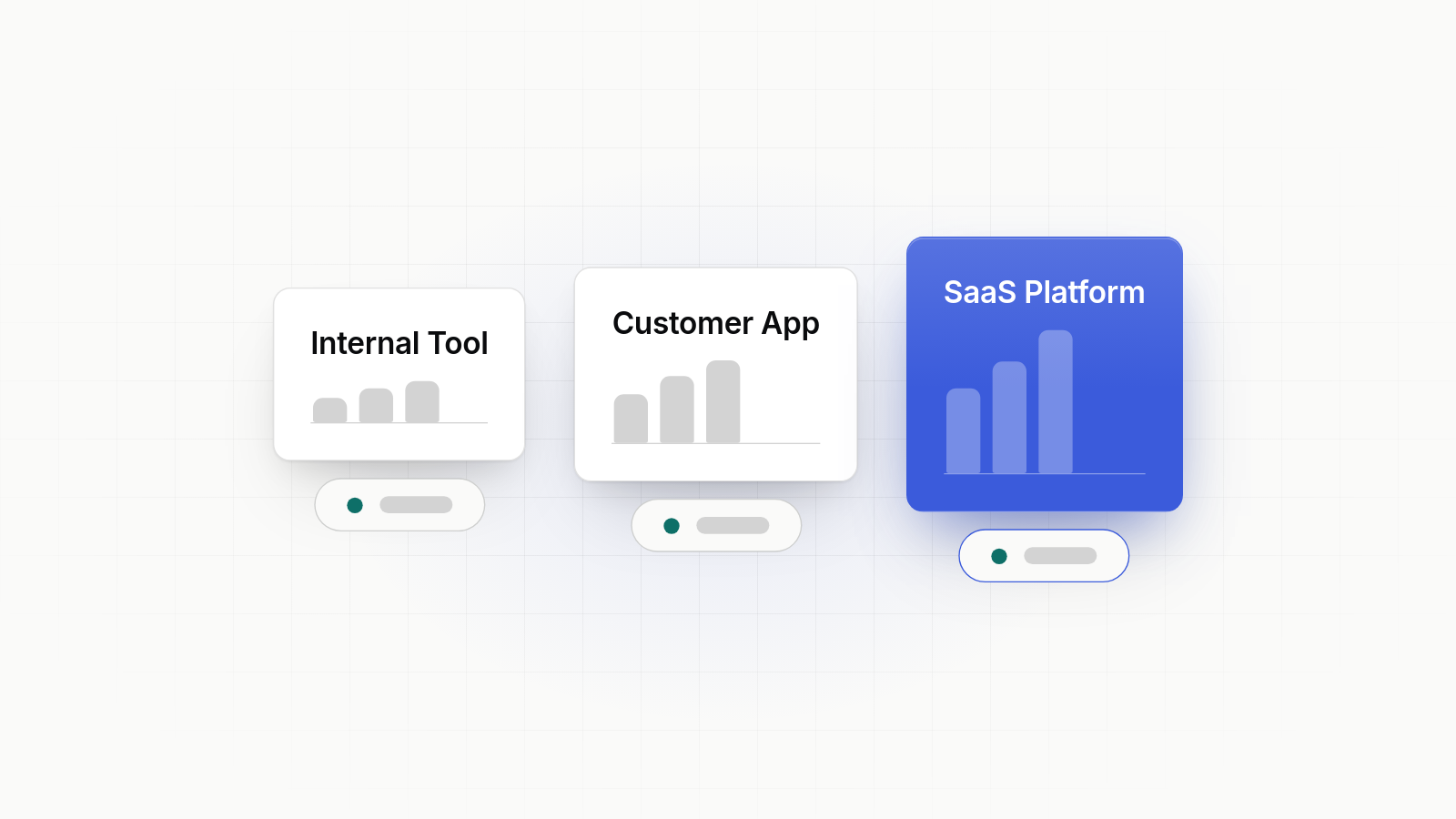
The average cost of custom software development for a small business typically falls between £10,000 and £90,000, depending on how many user roles, integrations, and workflows the application needs. A simple internal tool used by one team sits at the lower end, around £10,000 to £30,000. A customer-facing app with payments, multiple permission levels, and a proper design pass sits at £30,000 to £90,000. Larger, multi-tenant platforms can run £90,000 to £250,000 or more, but that's a different category of project to what most small businesses need.
The number that moves the price most within a project type is usually integrations and data complexity, not the number of screens. A tool that connects to three other systems with inconsistent data will cost more than a tool with twice as many screens but no outside connections.
FAQs
What is the average cost of custom software development?
For a small business, a simple internal tool typically costs £10,000 to £30,000, a mid-sized customer-facing app £30,000 to £90,000, and a larger multi-role platform £90,000 to £250,000 or more. Most small businesses asking whether custom software is worth it are looking at the first two bands, not the third. On top of the build cost, budget 15% to 25% of that figure per year for ongoing maintenance.
What is the 40/20/40 rule in software engineering?
This isn't a standard or widely recognised rule in software engineering, and it doesn't come up in relation to custom software costs or small business decisions. If you've seen it referenced somewhere specific, check the source, it's not a term with a settled definition in this field.
What is the best software to use for a small business?
There's no single best software for every small business, it depends on the task. For standard needs like accounting, payroll, or basic customer records, mature off-the-shelf tools are usually the right call: cheap, well-supported, and they already solve the problem. The best choice only shifts toward custom software once your workflow is specific enough, or your workarounds frequent enough, that no generic tool fits without constant manual effort.
How profitable is software development?
As a service business, software development can be profitable, but that's a different question to whether building custom software is a good investment for you as a buyer. From a buyer's side, the return comes from time saved, errors avoided, and costs that don't rise disproportionately as you grow. Whether that return justifies the spend depends on the size of the problem you're solving, which is what the signals earlier in this post are meant to help you judge.
Can a small business afford custom software at all?
Yes, if the project is sized to the problem rather than treated as an enterprise build by default. A single internal tool solving one clear workflow problem starts at roughly £10,000, a reasonable figure for a business that's outgrown a spreadsheet and losing real hours each week to workarounds. The question isn't whether small businesses can afford custom software in general, it's whether the scope of the build matches the actual size of the problem.