Custom software10 min read
Custom Software Development vs Off-the-Shelf SaaS: Which Is Cheaper Long Term?
By Duncan
Key takeaways
SaaS is nearly always cheaper upfront. Custom software is often cheaper over three to five years once headcount grows.
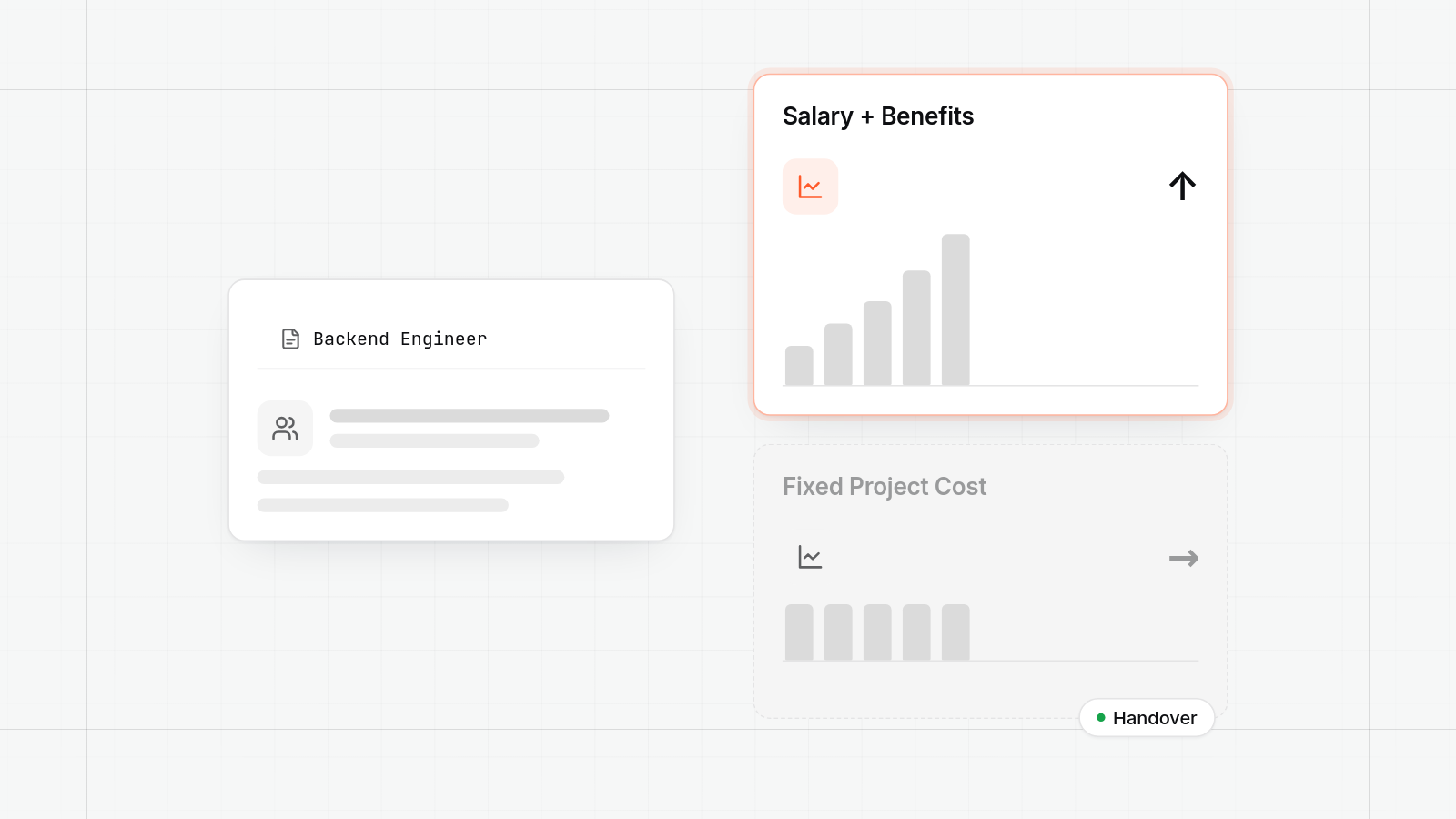
Per-seat SaaS pricing means your software bill rises every time you hire. Custom software mostly doesn't charge per user.
Hidden SaaS costs add up: unused tiers, forced upgrades, add-ons, and the time your team spends on workarounds.
Custom software has a real ongoing cost too, usually 15% to 25% of the build cost per year for hosting, security, and maintenance.
The decision comes down to three things: your headcount, your growth rate, and how far your workflow sits from what a standard tool was built for.
Custom software development vs off-the-shelf SaaS, which is cheaper long term, comes down to one thing: how your costs scale with headcount and time. SaaS is usually cheaper in year one. Custom software is usually cheaper by year three to five, once you add up per-seat fees and workarounds against a fixed build cost and a low cost per extra user. The right answer depends on your growth rate and how specific your workflow is, not on which option sounds more serious.
What is the real difference between custom and off-the-shelf software
The real difference is who the software was built for. Off-the-shelf software, sometimes called SaaS, is built once by a vendor and sold to thousands of businesses with roughly the same needs. Custom software is built for one business, around its own workflows, data, and users.
That's what drives most of the rest of this comparison. A SaaS vendor spreads its development cost across every customer, which is why the price per seat looks low, but you're paying for a product built to fit a general case, not yours. Custom software has no one else to share the build cost with, which is why the upfront number is higher, but it's built around exactly what you do, and the cost doesn't rise just because you hired three more people. If you're weighing whether that trade-off makes sense for a smaller operation, see whether custom software is worth it for a small business.
Neither is better in the abstract. Which cost structure suits you depends on scale and fit, covered below.
How SaaS pricing actually behaves over three to five years
SaaS pricing looks good in year one and worse every year after, because the per-seat model multiplies with headcount and the vendor controls when prices and tiers change.
Per-seat fees compound as you grow
Most SaaS tools charge per user, per month. That's manageable at five people. At fifty, the same rate is a much bigger number, and the bill grows every time you hire with no extra functionality to show for it. A tool that costs £30 per seat a month is £1,800 a month at sixty seats, every month, indefinitely. SaaS per-seat pricing is one of the main reasons the long-term cost looks different once headcount grows, and none of that spend builds anything you own.
Feature limits push you into higher tiers
Most SaaS products are sold in tiers, with core features locked behind the plan above the one you're on. As your business grows, you tend to need more of what's locked away: more integrations, more automation, more seats with admin rights. So you climb the pricing page, often without asking to, because the tier you need keeps moving up as your usage grows.
Forced upgrades and pricing changes are outside your control
A SaaS vendor can change its pricing, discontinue a plan, or bundle features differently whenever it decides to. You find out by email, and your options are to accept the new terms or migrate everything to a different tool, which costs time and carries its own risk. With custom software, no one else gets a vote on your pricing.
Add-ons and integrations are rarely included
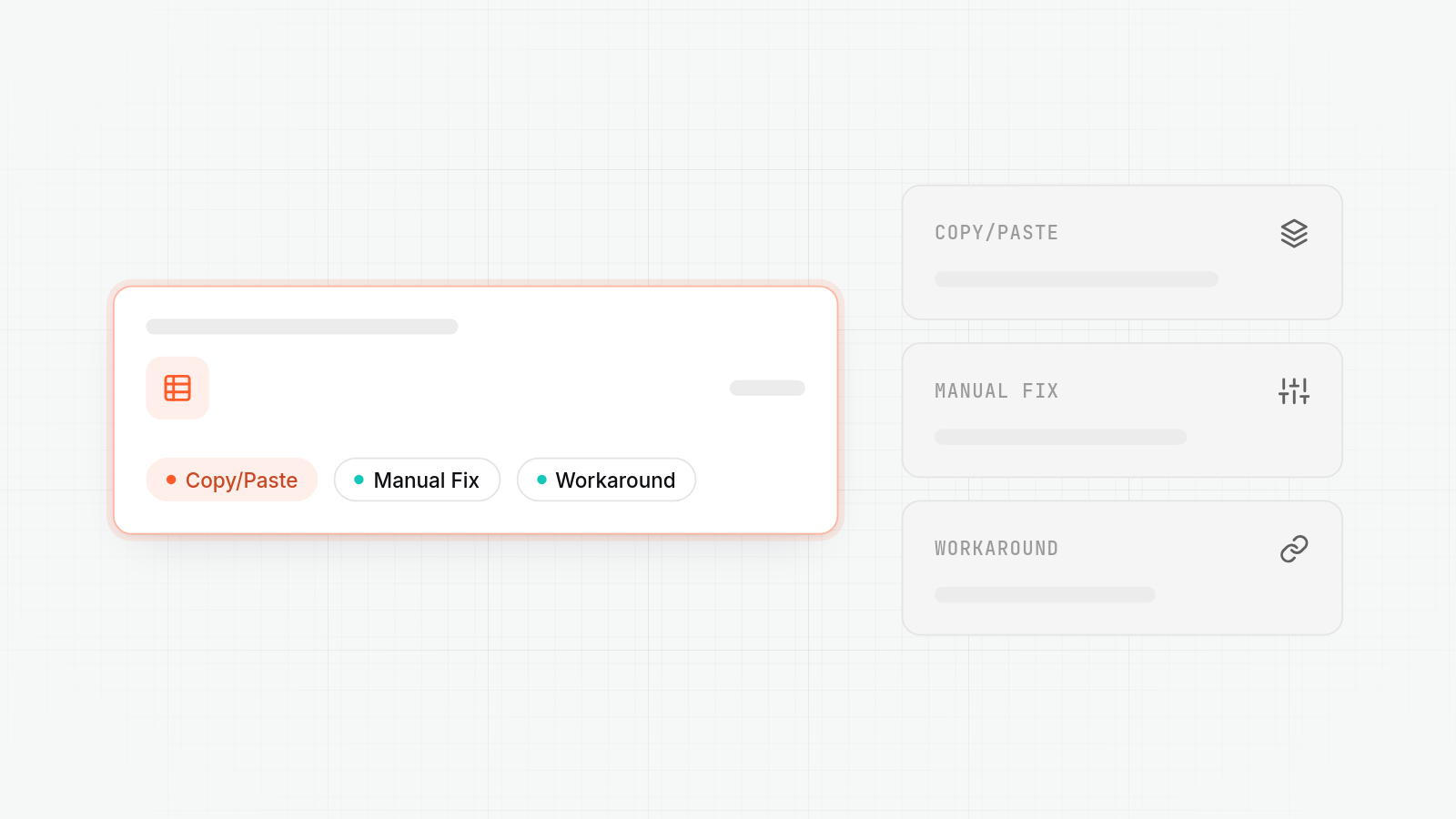
Standard tools cover standard needs. The moment you need something slightly off the main path, a connector, a report, a workflow step, you're often buying an add-on or a separate tool to bridge the gap. These are some of the hidden costs of SaaS subscriptions: they don't show up on the headline subscription price, but they show up on the bill.
How custom software costs behave over the same period
Custom software costs behave differently: a larger cost upfront, then a flatter, more predictable cost afterwards that doesn't rise just because your team grows.
The upfront build cost is the main expense
A custom web application typically costs anywhere from around £10,000 for a single internal tool up to £90,000 or more for a customer-facing application with multiple user roles and integrations, as covered in our breakdown of what it costs to build a custom web application. This is the number that makes custom software look expensive at first glance, and it's real. It's also, usually, the only large cost you pay once.
Marginal cost per user is low or zero
Once the application is built, adding another user rarely costs anything extra. No per-seat fee, no new tier to unlock. If your headcount doubles, your software cost mostly doesn't. That's the main reason the two cost lines cross at some point: SaaS costs scale with people, custom software costs mostly don't.
Ongoing maintenance is a known, fixed percentage
Custom software isn't free to run after launch. Budget 15% to 25% of the build cost per year for hosting, security patches, dependency updates, bug fixes, and a reasonable amount of small feature work, covered in more detail in our guide to what it costs to maintain a custom web application per year. For a £20,000 build, that's roughly £3,000 to £5,000 a year, agreed in advance rather than billed by the hour with no ceiling. Looking at custom software total cost over five years this way makes the comparison with a rising SaaS bill much clearer.
You own the code and the roadmap
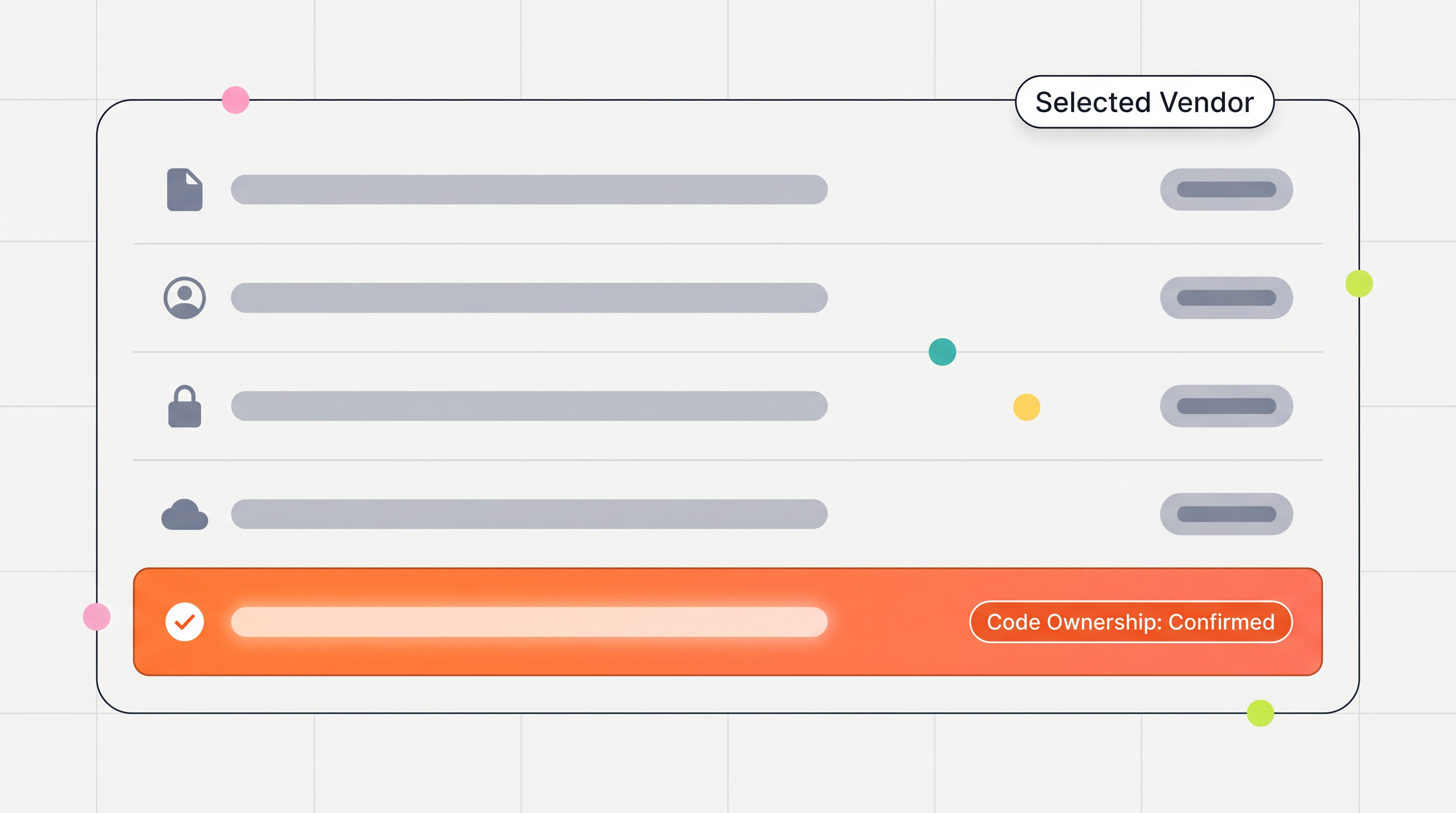
With custom software, you hold the code, the repository, and the infrastructure accounts. Nobody else decides when a feature changes or disappears. That control has a cost, since you're responsible for decisions a SaaS vendor would otherwise make for you, but it also means nothing changes under you without warning.
Custom software vs SaaS total cost of ownership: a comparison
A proper custom software vs SaaS total cost of ownership comparison has to include the hidden costs on both sides, not just the subscription price and the invoice.
| Off-the-shelf SaaS | Custom software | AppBespoke | |
|---|---|---|---|
| Upfront cost | Low, often £0 to a few hundred pounds setup | Higher, typically £10,000 to £90,000+ depending on scope | Fixed-scope quote agreed before work starts |
| Cost per added user | Rises with headcount, per-seat fees | Little to none once built | Little to none once built |
| Price control | Set by the vendor, can change without your input | Set by you | Set by you |
| Feature fit | Built for a general case, gaps filled with workarounds or add-ons | Built around your actual workflow | Built around your actual workflow |
| Ongoing cost | Subscription fees plus add-ons, indefinitely | 15% to 25% of build cost per year, fixed and planned | 15% to 25% of build cost per year, agreed in advance |
| Time to start | Days | Weeks to months | Weeks to months, matched to project size |
| Who maintains it | The vendor | You, or whoever you hire | AppBespoke, for applications it has built or reviewed |
| Best fit | Standard processes shared across most businesses | Workflows specific enough that generic tools don't fit well | Growing businesses wanting a fixed-scope build with a predictable annual cost, not an open-ended retainer |
AppBespoke designs and builds custom web applications for growing businesses, with a fixed-scope quote agreed up front and a fixed annual maintenance figure once the application is live. It doesn't offer open-ended hourly retainers with no ceiling, and it doesn't maintain code it hasn't built or reviewed itself. It's built for businesses that have outgrown what a standard tool can do, not for enterprise platforms built from scratch with no fixed cost in mind.
When does custom software pay off
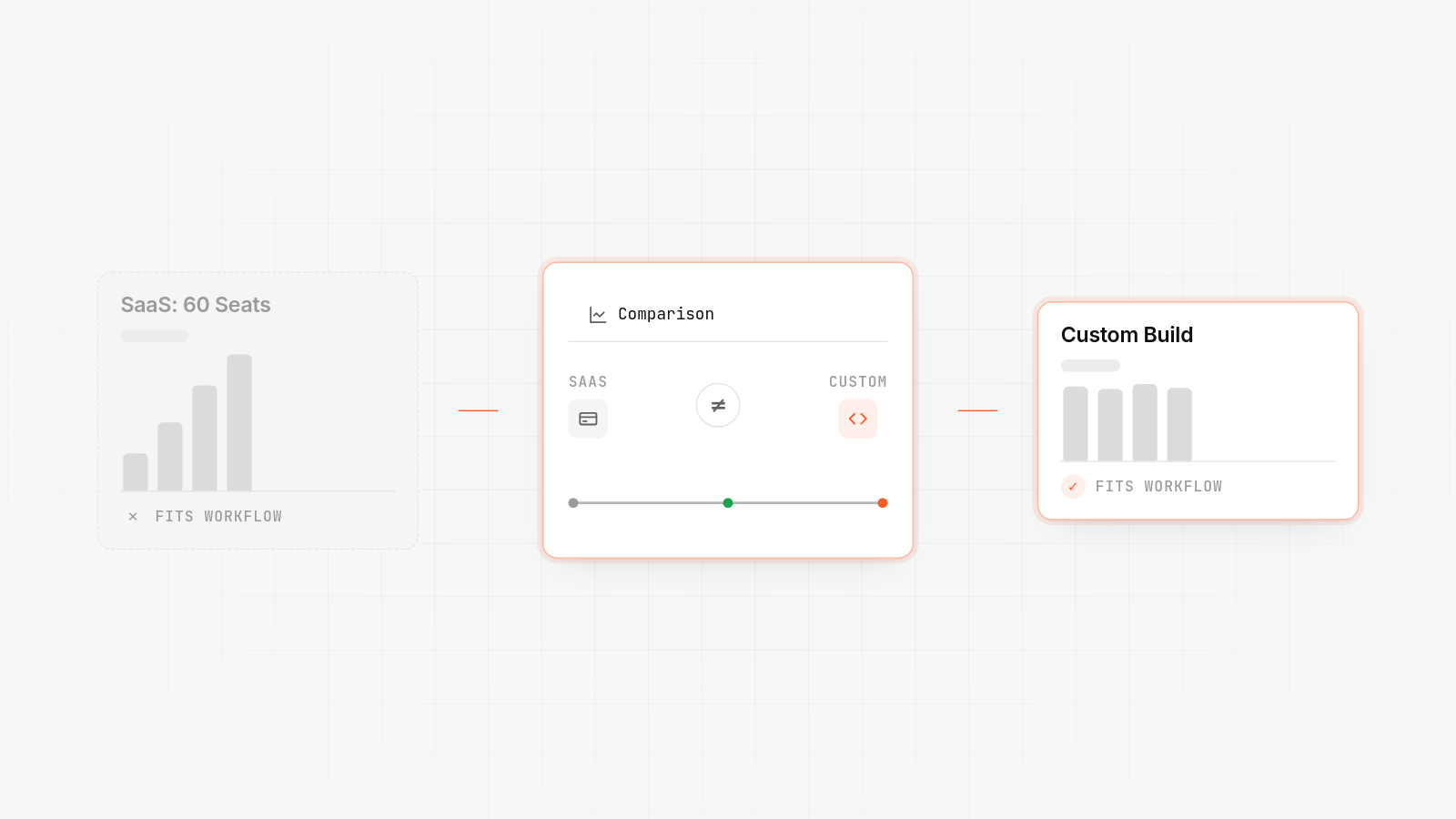
Custom software pays off once the combined cost of per-seat fees, workarounds, and lost time on a SaaS tool exceeds what a custom build and its maintenance would cost over the same period. There's no single number that applies to every business for build vs buy software for a growing business, because it depends on how many users you have, how fast that number is growing, and how far your workflow sits from what the SaaS tool was designed for.
Headcount
A SaaS tool charging per seat gets more expensive every time you hire. A ten-person team paying £30 a seat a month pays £300 a month. The same tool at sixty people is £1,800 a month, with no change in functionality. Custom software's build cost doesn't move with headcount the same way, so the more people who'll use the system, the faster the fixed build cost pays for itself against the per-seat fees it replaces.
Growth rate
A business growing slowly might never reach the point where SaaS costs outweigh a custom build. A business doubling headcount every year reaches that point quickly, often within two to three years. The faster you expect to grow, the sooner a fixed-cost system starts to look cheaper than one that charges by the seat.
How specific the workflow is
If your workflow is close to what most businesses in your sector do, a standard tool probably fits well enough, and the workaround cost stays low. If it's genuinely different, a pricing structure, an approval chain, a scheduling rule that no off-the-shelf product handles cleanly, the cost of bending your process to fit the tool, or bolting on workarounds, tends to be higher than people expect. The more specific your workflow, the sooner custom software earns back its upfront cost.
A simple framework
Small, stable headcount with a standard workflow favours SaaS. Growing headcount with a workflow that's a reasonable fit for SaaS is worth reviewing every year or two, since the balance can shift. Growing headcount with a workflow that doesn't fit well is usually where custom software pays off fastest, often within two to four years depending on build cost and the SaaS fees it replaces. Once you've decided custom is the right direction, the next question is usually how to choose a custom web app development company to build it.
FAQs
What is the difference between custom and off-the-shelf software?
Custom software is built for one business around its own workflows, data, and users. Off-the-shelf software is built once by a vendor and sold to many businesses with broadly similar needs, which is why it's cheaper to start with but less likely to fit an unusual process exactly.
How much does a custom software cost?
A single internal tool solving one specific problem typically costs £10,000 to £30,000. A customer-facing application with payments and multiple user roles usually runs £30,000 to £90,000. Larger, multi-role platforms with several integrations can run £90,000 to £250,000 or more, though most growing businesses asking this question don't need something at that scale.
What are the advantages of using off-the-shelf software?
Off-the-shelf software is quick to set up, usually within days, and cheap at small scale since the vendor spreads development cost across many customers. It's maintained by someone else, so you're not responsible for hosting, security patches, or bug fixes. For standard tasks like accounting, email, or basic CRM, mature off-the-shelf tools generally do the job well without needing anything built specifically for you.
What is the difference between proprietary and off-the-shelf software?
Proprietary software is any software owned and controlled by a specific company, whether it's sold to many customers or built for one. Off-the-shelf software is usually proprietary, since the vendor owns the code and licenses its use, but a custom build commissioned by one business and owned outright by that business is proprietary to them specifically. The practical difference that matters here is who owns the code at the end: with most SaaS, the vendor does. With a custom build done properly, you do.
How much does custom software development cost in 2026?
Costs for 2026 sit in line with recent years: roughly £10,000 to £30,000 for a simple internal tool, £30,000 to £90,000 for a customer-facing application with several user roles, and £90,000 upwards for larger platforms with multiple integrations. On top of the build, budget 15% to 25% of that figure per year for ongoing maintenance, hosting, and security.